Winter Is Quietly Hard on Old Dogs. Here's How to Help
Older joints and cold weather are a rough pairing — the AVMA notes cold can worsen arthritis, and senior pets slip more easily on ice. The good news: most of the comfort fix is simple home changes, not medicine.
Product specs from manufacturer listings and prices checked Oct 2026, may vary. This guide is general information, not veterinary advice.
Why winter is harder on older dogs
Osteoarthritis is strikingly common in older dogs — studies estimate around 20% of dogs over one year old show signs, rising to as many as 80% of dogs over eight. The AVMA notes plainly that cold weather may worsen conditions such as arthritis, and that arthritic and elderly pets have more difficulty on snow and ice and are more prone to slipping and falling. Cold does not cause arthritis, but stiff joints, colder muscles, less activity, and slippery floors are a rough combination. Most of the fix is not medical at all — it is warmth, traction, and removing the jumps and cold floors from your dog's day.
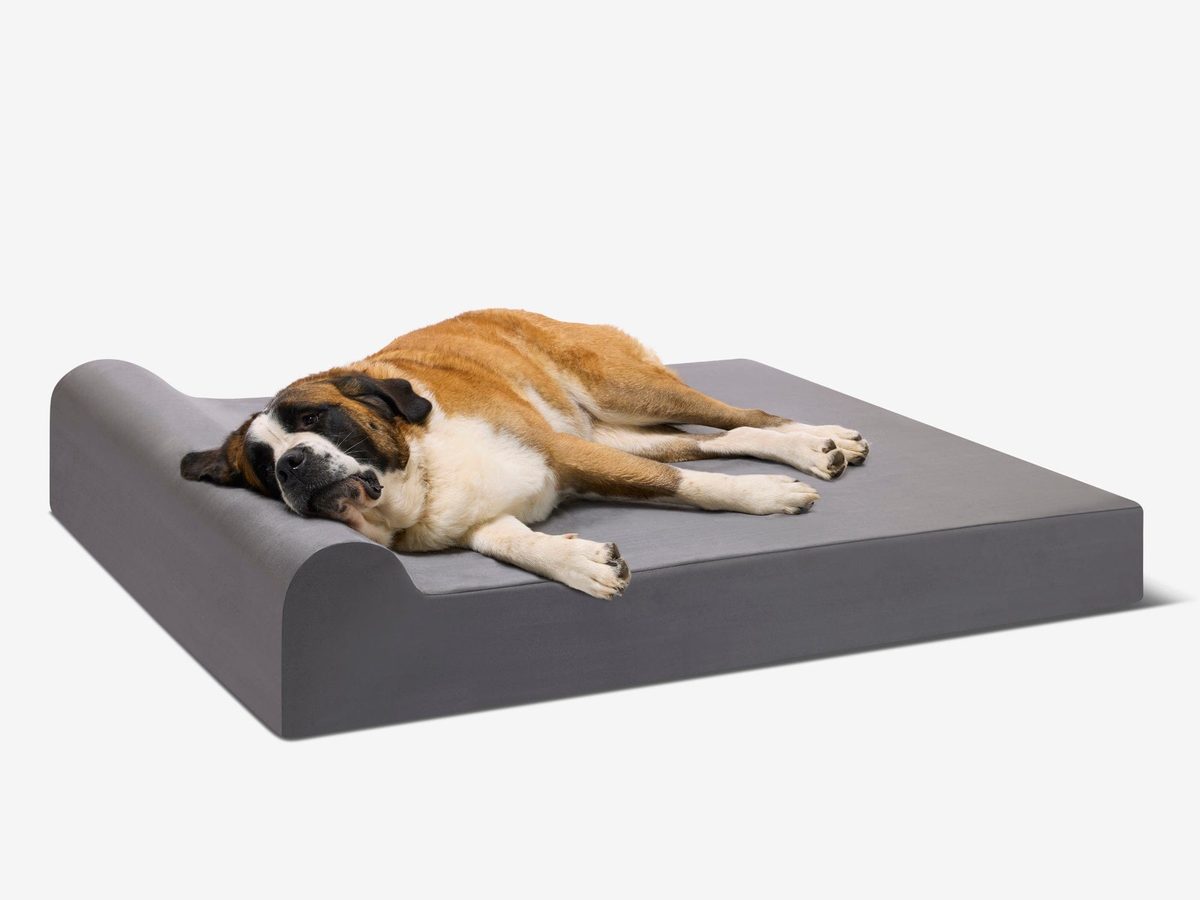
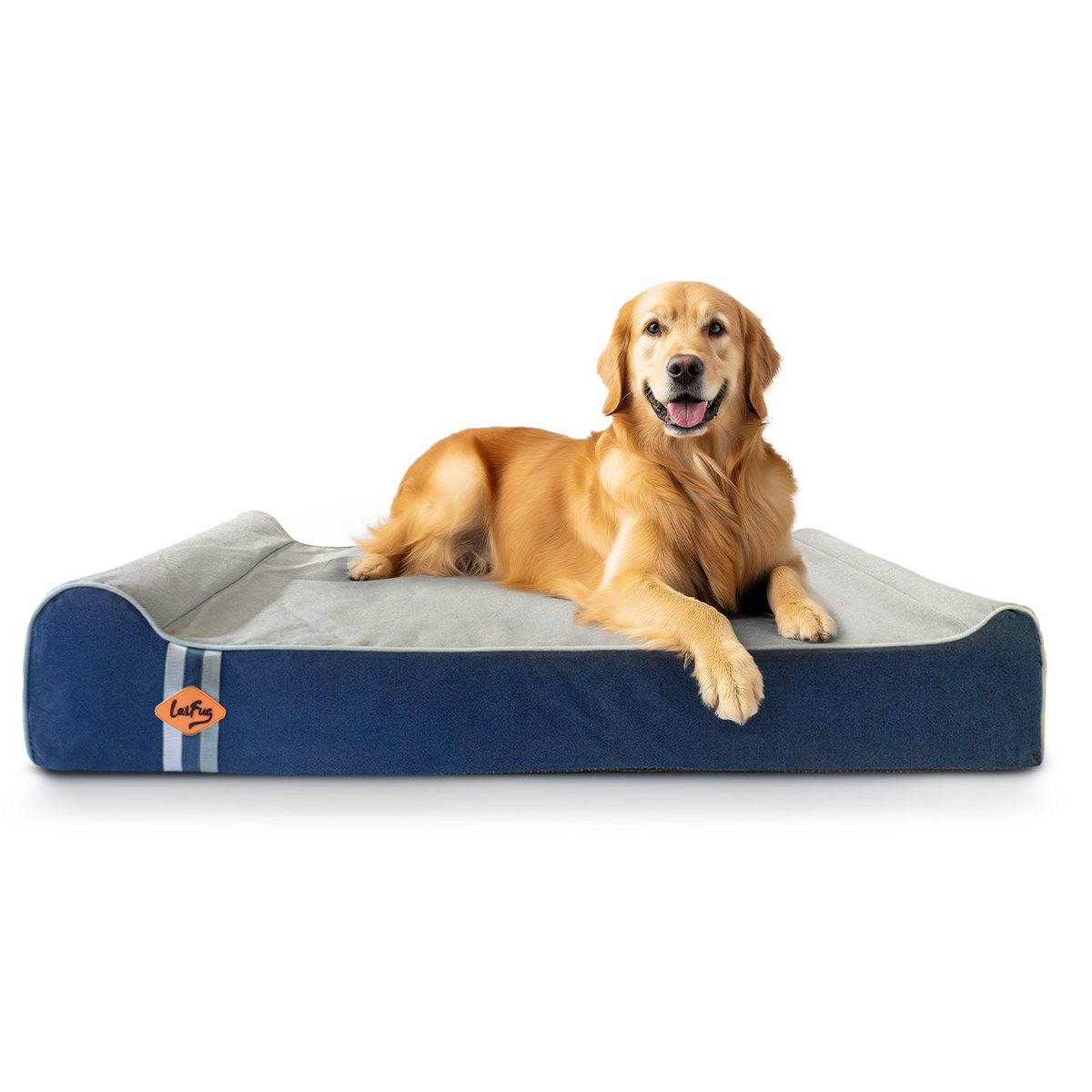
Orthopedic Memory Foam Dog Bed
$69.99
Solid memory-foam base holds its shape instead of flattening over months.
1. Give them a warm place to land
The AVMA's advice is to give pets choices of sleeping spots with more or less warmth, and to keep beds away from drafts. Hard floors get cold and stay cold, so a thick, supportive bed does double duty: it cushions pressure points and lifts your dog off the chill. Two from our catalog:
Big Barker Original Orthopedic Sofa Bed — 7 inches of three-layer orthopedic foam in sizes built for large dogs, with a raised bolster and a 10-year won't-flatten guarantee. Honest watch-out: it is premium-priced ($349.95 for Large, checked Oct 2026), sized for big dogs only, and the foam is not waterproof — a liner is sold separately.
LaiFug Orthopedic Memory Foam Bed — memory foam over a support-foam base with a waterproof inner liner and washable cover, from $69.99 (checked Oct 2026, varies by size). Watch-out: LaiFug sells several near-identical variants, so check the exact dimensions of the one you order.
2. Take the jumping out of their day
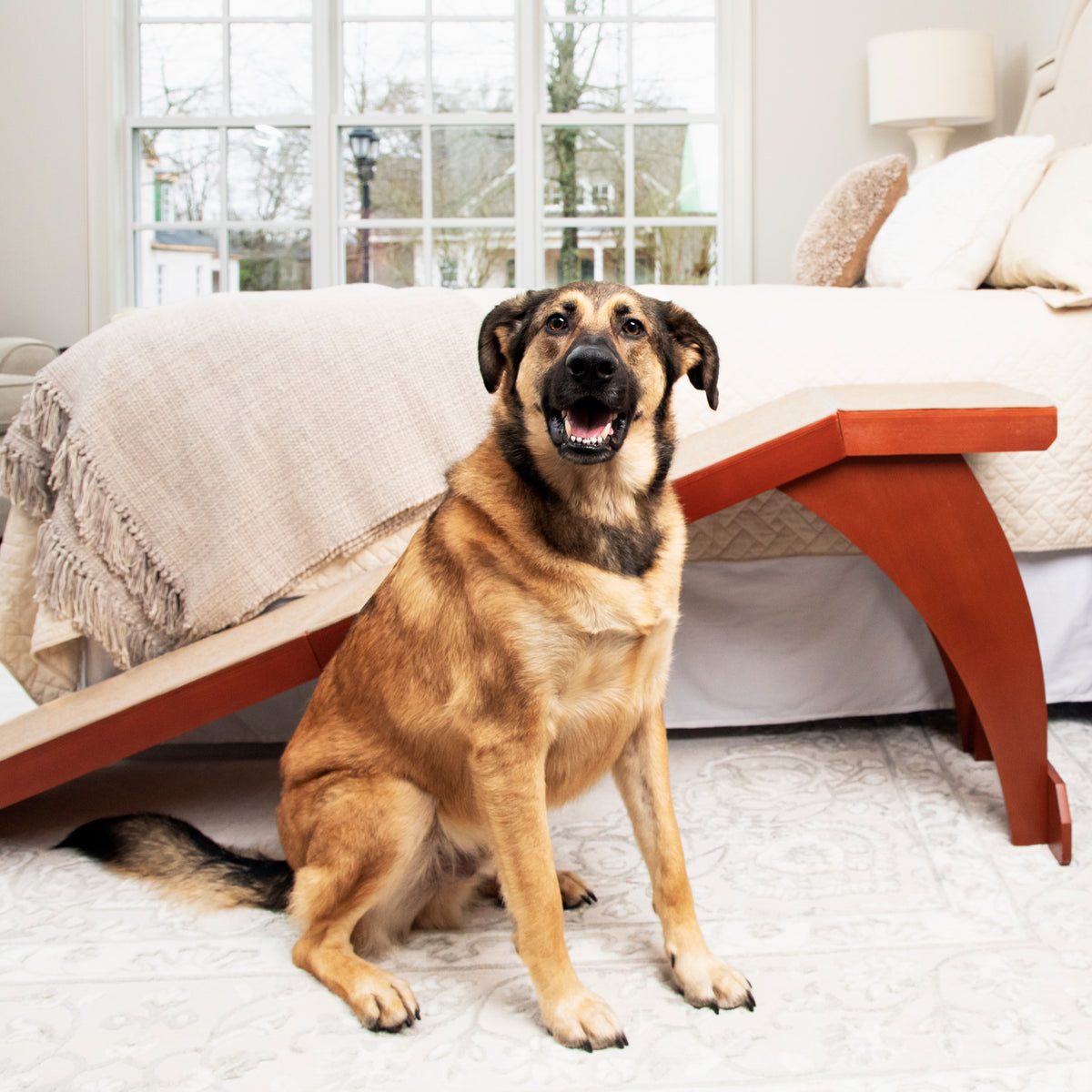
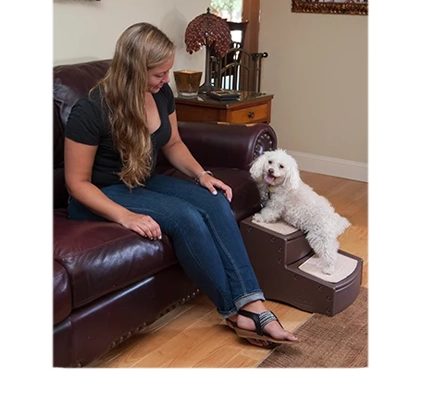
Every leap onto a bed or sofa is a landing on stiff joints. Ramps spread that effort out; stairs break it into steps. Which suits your dog?
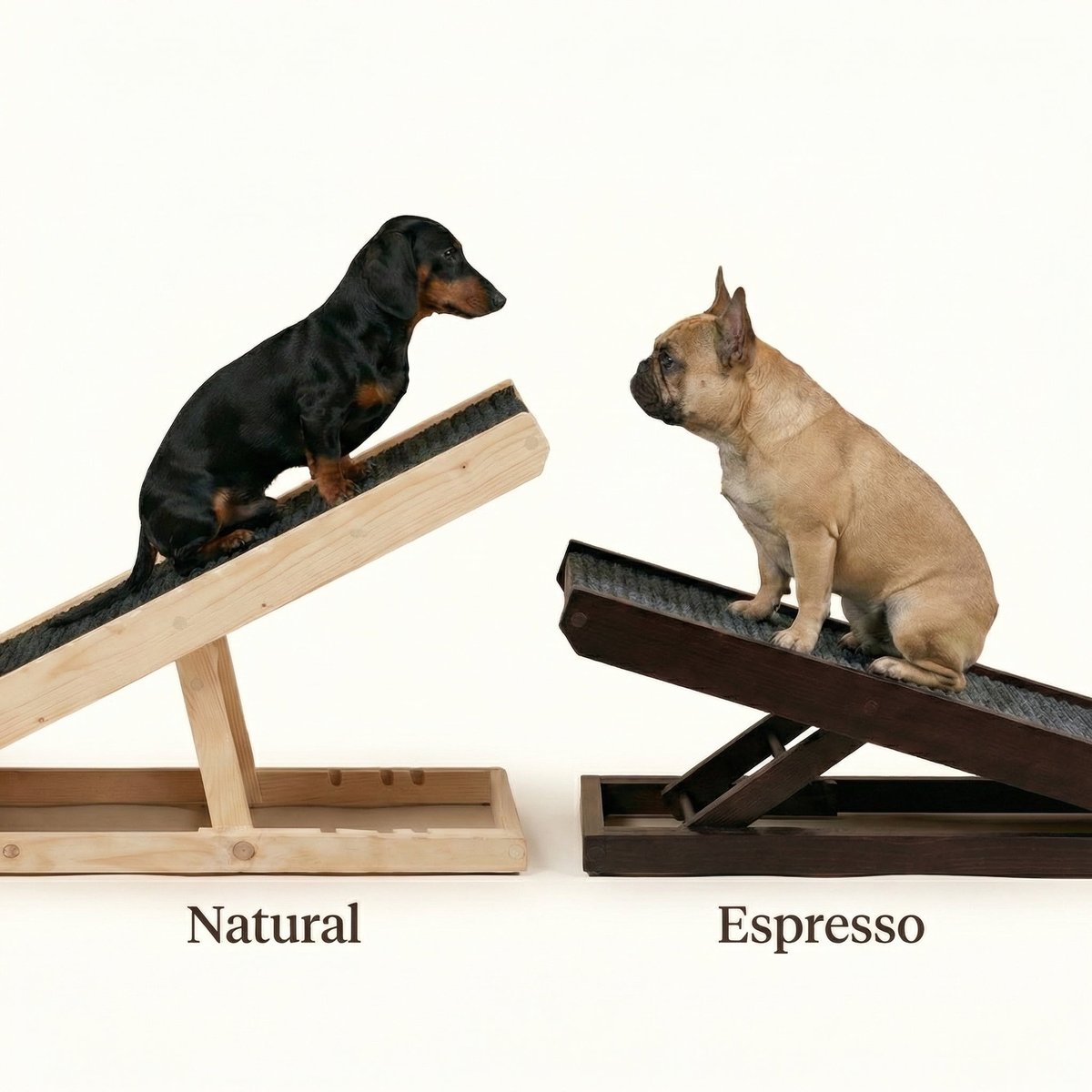
PawRamp (Alpha Paw) — an indoor furniture ramp with four adjustable heights (12–24 inches), a full-length no-slip carpet surface, and a frame that folds flat. Rated to 80 lb, which is its limit: large and giant seniors are too heavy for it, and at the tallest setting the incline gets steep for dogs with advanced mobility problems. $154.99 list, frequently on sale (checked Oct 2026).
PetSafe CozyUp Bed Ramp — a fixed 25-inch-high, 70-inch-long wooden ramp tested to 120 lb, with heavy-duty carpet traction. The gentle slope is the kindest option for big dogs — if you have the floor space, because 70 inches is a real footprint, and the height is not adjustable. $159.99 MSRP, often discounted (checked Oct 2026).
Pet Gear Easy Step II — two wide steps reaching about 16 inches, with washable carpet treads and tool-free assembly, $42.99 (checked Oct 2026). Best for sofas and low beds; it is not tall enough for a high bed, and the lightweight plastic build suits smaller dogs best.
Rule of thumb: the worse the mobility, the gentler the slope — which usually means a long ramp over stairs.
3. Rethink the winter walk
The AVMA recommends shortening walks in very cold weather. Splitting one long walk into shorter, gentler outings keeps joints moving — inactivity stiffens them further — without overexposing an older dog to the cold. Time walks for the warmest part of the day, stick to cleared, non-icy routes, and consider a coat for small, short-haired, or less-active dogs, who benefit from one most.
4. Protect the paws
Rock salt and de-icers irritate paw pads and are dangerous if licked off, so rinse and dry your dog's paws after winter walks. Paw balm before and after helps, booties give full protection, and trimming the hair between the pads stops ice balls forming between the toes.
When it is more than the weather
Some signs should not be written off as "just the cold." Shivering, anxiety, slowing down or stopping, weakness, and burrowing for warmth can signal hypothermia — get your dog inside and call your vet if you suspect it. A sudden inability to stand, a leg that won't bear weight, severe pain, or a new one-sided limp or swelling needs prompt veterinary attention, not a warmer blanket. And the AVMA suggests a pre-winter wellness exam, so your vet can check your dog is ready for the season — including pain management if stiffness is getting worse.
Common questions
How cold is too cold for a senior dog?
There is no single number — size, coat, health, and wind all change it. The safer pattern is shorter outings, watch for shivering or reluctance, and let your dog choose the warm spot when you are home.
Ramp or stairs for an older dog?
A ramp, if you have the space and your dog will use it — a gentle slope asks the least of sore joints. Stairs are the compact, cheaper answer for low furniture and dogs who still climb confidently.
Do orthopedic beds actually help?
A thick, supportive foam bed distributes weight across pressure points instead of letting hips and elbows rest on a hard, cold floor. Look for dense foam several inches thick that does not flatten to nothing under your dog's weight.
See everything in our Senior Pet Comfort category.